AI Autumn Photoshoot Ideas: Fall Portraits From Any Photo
Ten AI fall photoshoot ideas, from golden leaves to cosy cafés, with prompts, source-photo tips and ways to use the results for profiles, cards and seasonal posts.
The simplest way to get an AI autumn photoshoot is to take a clear outdoor photo, then use a background or restyle tool to add fall foliage, warm low sunlight and seasonal clothing. You get the golden-leaves portrait without waiting for the right weekend, the right weather and the right park.
Autumn is one of the most popular seasons for portraits, and one of the easiest to fake badly. Oversaturated orange leaves and flat light are the giveaways. Below are ten ideas that look natural, the prompts behind them, and how to pick the photo.
Choose a source photo that makes the change easy
The less the model has to change, the more natural the result. The best source photos are:
Outdoors, ideally with trees, a path or open sky already in the scene
Clear and sharp, with your face well lit
In neutral or layered clothing; a jumper or jacket converts more convincingly than swimwear
Half-body or head and shoulders, so the subject fills the frame
If you only have an indoor photo, that is fine too: the café and cosy-interior ideas below suit it. Our guide to getting a studio-quality photo without a studio has tips for shooting a good base photo at home.
Ten AI autumn photo ideas
Golden hour in the leaves. "Walking through a park path covered in fallen orange and yellow leaves, low golden sun behind, warm rim light on the hair, soft film colours."
Pumpkin patch. "Sitting on a hay bale in a pumpkin field, late afternoon light, knit sweater, relaxed smile."
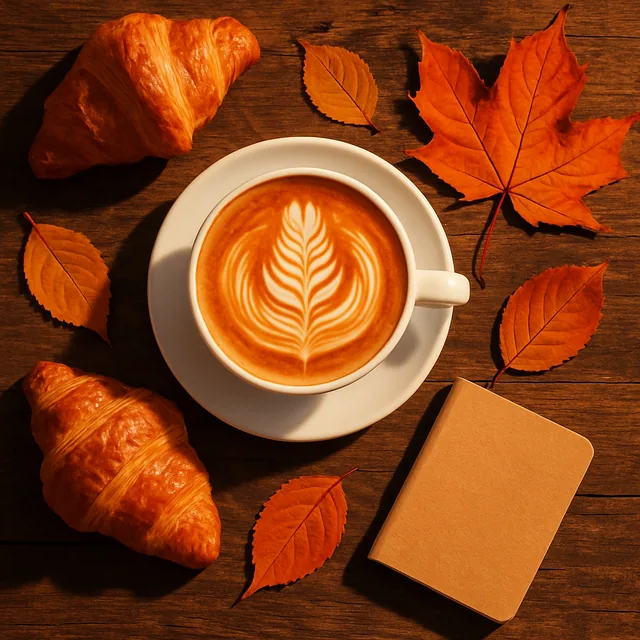
Café window. "Sitting by a café window holding a warm drink, rain on the glass, warm interior light, autumn trees blurred outside."
Misty forest walk. "Standing on a forest path, light morning mist, tall trees with copper leaves, soft diffused light, long wool coat."
Cosy blanket portrait. "Wrapped in a chunky knit blanket by a window, soft daylight, steam from a mug, muted warm tones."
Apple orchard. "Picking apples in an orchard, basket on the arm, dappled sunlight through the branches."
Rainy city street. "Walking under an umbrella on a wet city street, reflections of shop lights, falling leaves, cool blue with warm highlights."
Harvest table. "At a long outdoor table with bread, squash and candles, string lights overhead, dusk."
Lakeside. "By a calm lake with red and gold trees reflected in the water, cool morning light, scarf and coat."
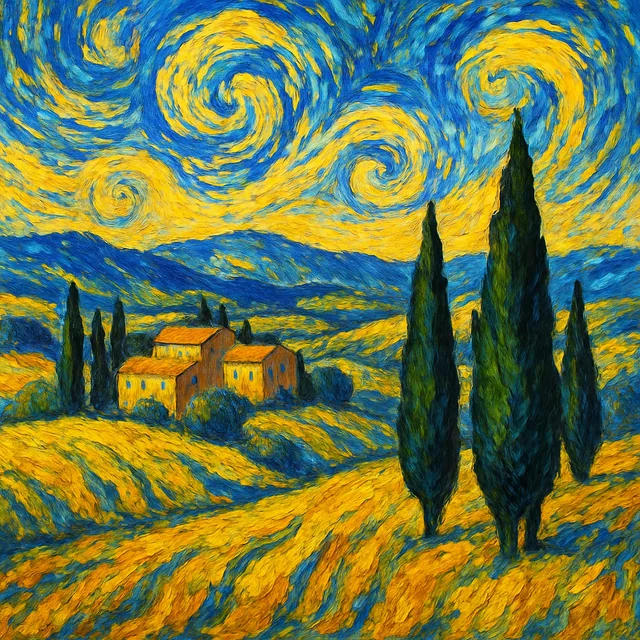
Painterly autumn. "Restyle as a loose oil painting, warm ochre and rust palette, visible brushstrokes, leaves in the foreground."
Most fake-looking autumn images share the same problem: the colour is right, but the light is wrong. Real autumn light is:
Low and warm. The sun sits lower in the sky, so light comes from the side or behind.
Soft. Overcast days and mist are common, giving gentle shadows.
Short-lived. Golden hour is the classic look, with warm rim light on hair and shoulders.
Useful phrases:
"low golden sun behind the subject"
"warm rim light on the hair"
"soft overcast light"
"natural film colours, muted"
Phrases to avoid: "vibrant", "hyper-saturated", "HDR". They push leaves into an unnatural neon orange. For the general principles, see how to write text-to-image prompts.
Changing the season without changing you
When you ask a tool to change the background and clothing, it may also nudge your face, hair or skin tone. To limit that:
Describe the setting and clothing, not a new person.
Keep your hair colour explicit if the warm light might shift it: "keep dark brown hair".
Compare the result with the original at full size.
Generate a few variations and pick the most accurate.
Autumn is less about orange than about the relationship between warm and cool. A convincing fall image usually has a warm subject and warm highlights set against something cooler: a grey sky, blue shadows, dark green conifers or a wet street. When everything is orange, nothing stands out and the whole image looks tinted rather than lit.
Some palettes that work well:
Rust, ochre and slate. Warm leaves against a cool grey sky. Good for moody coat and scarf portraits.
Cream, camel and brown. Knitwear, oatmeal blankets and wooden interiors. Calm and cosy, ideal for the café and blanket ideas.
Deep red, forest green and gold. Richer and more traditional, closer to a harvest or early holiday feel.
Muted teal and amber. The classic film look: cool shadows, warm skin. Works for rainy city streets and lakeside scenes.
Name the palette in your prompt, for example "muted palette of rust, ochre and slate grey". It gives the model something more precise to aim for than "autumn colours", and it keeps a series of images looking like they belong together.
Clothing and styling cues
Clothing does a lot of the seasonal work, and it is easy to describe. Useful fall pieces include chunky knit jumpers, wool coats, trench coats, corduroy, flannel shirts, scarves, beanies and leather boots. Pick one or two statement pieces rather than layering everything at once.
A few tips:
Match clothing to setting. A trench coat suits a city street; a flannel shirt suits an orchard or pumpkin patch.
Keep textures visible. "Cable-knit texture" or "soft wool" gives the model detail to render, which helps the image feel real.
Think about colour against the background. A mustard jumper in a field of orange leaves can disappear. A cream or dark green one separates you from the scenery.
Stay yourself. If you never wear hats, a hat will make the photo feel like someone else. Choose pieces you might plausibly own.
Making a themed series from one photo
One good source photo can carry a whole autumn series. Generate three or four of the ideas above from the same photo, keeping the palette phrase and light description identical across prompts, and change only the setting. For example: park path, café window and lakeside, all with "soft warm tones, low golden sun, natural film colours".
Tips for a consistent set:
Reuse the same wording for light and colour in every prompt.
Vary framing a little, mixing a close portrait with a wider scene, so the set has rhythm.
Drop the weakest image. Three strong pictures beat five uneven ones.
Post over a few weeks, following the real season from early gold to late, bare branches and mist.
Timing: early, peak and late autumn
Autumn changes a lot over two months, and matching the stage makes images feel grounded:
Early autumn: mostly green with the first yellow leaves, still-bright sun, light jackets. Good for September posts.
Peak autumn: full reds and golds, low sun, jumpers and scarves. The classic look.
Late autumn: bare branches, fog, wet leaves on the ground, heavier coats. Moodier and quieter, and a natural bridge towards winter and holiday imagery.
Adding "early autumn" or "late autumn, bare branches, fog" to a prompt is a small change that makes the scene more specific and believable.
What to do with your autumn photos
Profile pictures that feel seasonal without being a costume
Early holiday cards: autumn is the time to make them before December; see AI family holiday cards
Short seasonal clips: falling leaves or drifting mist turn a still into a few seconds of video; the video maker does this from one photo
Common mistakes
Neon leaves. Ask for muted, natural colour.
Summer clothes in a winter-looking scene. Describe the clothing too.
Mismatched light. A face lit from the front with a sunset behind looks pasted in. Ask for rim light that matches.
Too many props. Leaves, pumpkins, candles, lights and a scarf all at once looks like a stock photo. Choose two.
You can try any of these ideas in the browser studio with the change background or restyle tools.
Frequently asked questions
Can AI turn a summer photo into an autumn photo?
Yes. Background and restyle tools can replace green trees with autumn foliage, warm the light and add seasonal clothing. It works best when the original photo is outdoors with a clear subject, so the model only has to change the setting.
What are good AI fall photoshoot ideas?
Golden-hour leaf portraits, pumpkin patches, cosy café windows, misty forest walks, knitwear and blanket portraits, apple orchards, rainy city streets and harvest tables all work well. Pick one setting and one light source per image.
What should I wear in the source photo?
It matters less than you think, because you can describe new clothing in the prompt. But a photo where you are already in a jumper or coat will change less and look more natural than turning a T-shirt beach photo into a winter coat portrait.
How do I stop autumn colours looking fake?
Avoid asking for 'vibrant' or 'saturated' colours. Real autumn light is warm and soft, with plenty of brown, ochre and muted red. Ask for 'natural film colours' or 'soft warm tones'.
Can I use AI autumn photos for a family card?
Yes, and autumn is a good time to make them before the holiday rush. Start from one group photo where everyone is sharp. Our guide to AI family holiday cards covers the full process.
Ready to put this into practice?
Create with Kitana using the tool that fits this guide.